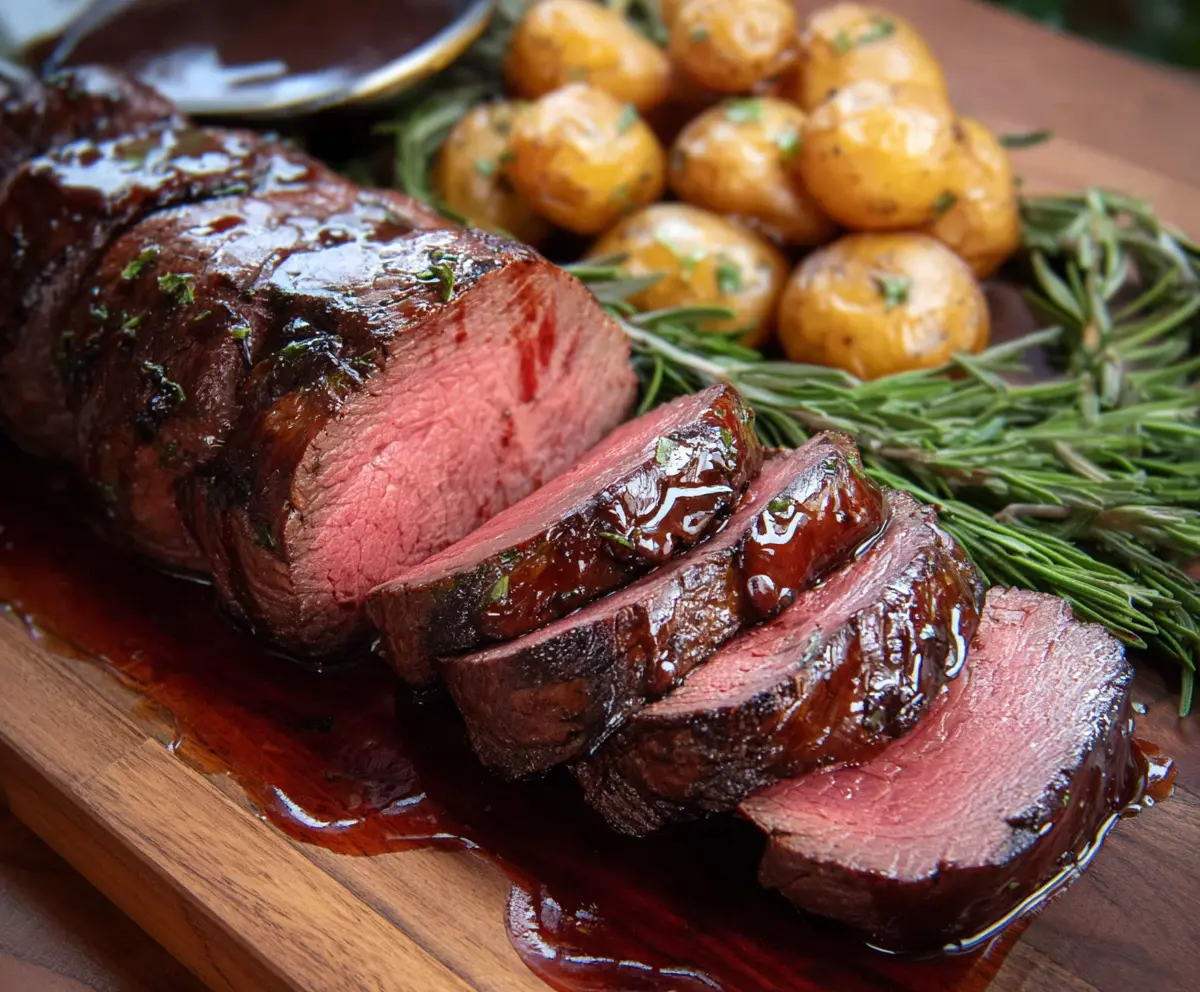
Best Ever Beef Tenderloin is a show-stopping centerpiece for any special meal. This tender, juicy cut of beef is full of rich flavor and has a melt-in-your-mouth texture that’s hard to beat. It’s the kind of dish that impresses without needing a ton of fuss, thanks to simple seasoning and careful roasting to bring out its natural goodness.
I love making this beef tenderloin when I want to treat my family or guests to something extra nice. The secret for me is letting the meat rest after cooking so all those juices stay locked in, making every bite perfectly juicy and flavorful. Plus, it’s a great dish to customize with your favorite herbs or a touch of garlic—it always comes out amazing.
We usually serve this tenderloin with roasted veggies and a simple sauce or gravy, but honestly, it’s delicious all on its own. One of my favorite memories is slicing into a warm tenderloin at a holiday dinner and hearing everyone’s happy “mmm” as they tasted it. If you’re looking for a reliable recipe that makes you feel like a pro in the kitchen, this one is definitely worth trying.
Key Ingredients & Substitutions for Beef Tenderloin
Beef Tenderloin: This cut is prized for its tenderness and mild flavor. If you can’t find a whole tenderloin, filet mignon steaks are a good smaller substitute.
Herbs: Rosemary and thyme add great aroma. Fresh herbs work best, but dried will do if fresh isn’t available—just use about a third of the amount.
Garlic: Fresh garlic gives the beef a fragrant boost. If you need, garlic powder can be a handy swap but expect a milder flavor.
Butter and Olive Oil: Butter enriches the flavor and helps create a beautiful crust. Olive oil prevents sticking and helps with browning. For dairy-free, try a neutral oil like avocado.
Beef Broth: Used to make a simple pan sauce. Low-sodium broth lets you control salt levels. Vegetable broth works in a pinch, but beef broth adds more depth.
How Do You Get a Perfectly Juicy and Evenly Cooked Beef Tenderloin?
Getting a perfectly cooked tenderloin is all about balance. Here’s what works for me:
- Pat the beef really dry before seasoning to help the crust form.
- Use a heavy skillet (cast iron is ideal) and high heat to sear all sides for a deep brown color.
- Roast in a hot oven to cook the inside evenly without drying it out.
- Use a meat thermometer—aim for about 130-135°F (54-57°C) for medium-rare.
- Let the meat rest covered with foil for at least 15 minutes so juices settle and don’t run out when slicing.
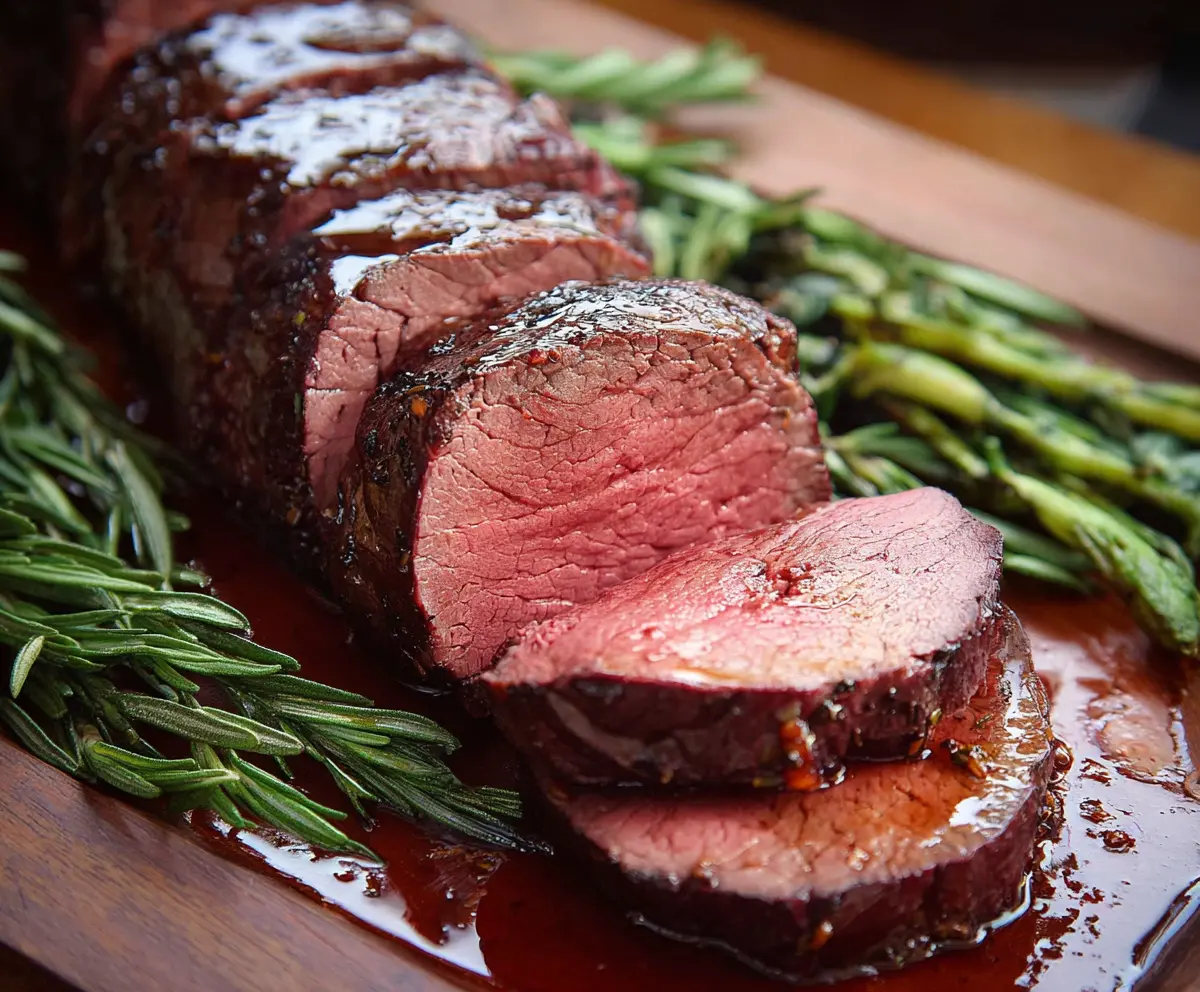
Following these steps helps keep the tenderloin juicy with a beautiful pink color inside and a flavorful crust outside every time.
Equipment You’ll Need
- Cast iron or oven-safe skillet – perfect for searing the beef evenly and going straight from stovetop to oven.
- Meat thermometer – helps you check doneness precisely for juicy, perfect results.
- Cutting board – sturdy and large enough to rest and slice the tenderloin safely.
- Sharp carving knife – makes clean, smooth slices without tearing the meat.
- Aluminum foil – to tent the beef while resting and keep it warm.
Flavor Variations & Add-Ins
- Add a coarse mustard rub before herbs for a tangy crust that pairs well with the beef’s richness.
- Swap rosemary and thyme with smoked paprika and cumin for a smoky, slightly spicy twist.
- Top slices with a blue cheese crumble or creamy horseradish sauce to add sharp, bold flavors.
- Add roasted garlic butter or mushroom sauce as a rich, flavorful complement to serve alongside.
Best Ever Beef Tenderloin
Ingredients You’ll Need:
- 1 (3 to 4 lb) beef tenderloin, trimmed
- 2 tbsp olive oil
- 4 cloves garlic, minced
- 2 tsp kosher salt
- 1 tsp freshly ground black pepper
- 1 tsp dried thyme or 1 tbsp fresh thyme leaves
- 1 tsp dried rosemary or 1 tbsp fresh rosemary, finely chopped
- 2 tbsp unsalted butter
- 1 cup beef broth (for sauce)
- Fresh rosemary sprigs (for garnish)
- Baby potatoes (optional, for serving)
How Much Time Will You Need?
This recipe takes about 15 minutes to prepare and sear the beef, plus 20-25 minutes to roast, and another 15 minutes to rest before slicing. Overall, plan for about 50-60 minutes from start to finish, including making the simple pan sauce.
Step-by-Step Instructions:
1. Prepping and Seasoning the Tenderloin:
Preheat your oven to 425°F (220°C). Pat the beef tenderloin dry using paper towels for a better sear. Rub olive oil all over the surface. Mix minced garlic, salt, pepper, thyme, and rosemary in a small bowl, then rub this herby mixture all over the beef evenly.
2. Searing the Beef:
Heat a heavy oven-safe skillet over medium-high heat. When hot, place the tenderloin in the skillet and sear each side for about 3-4 minutes until the beef has a rich, brown crust. Add in the butter and spoon the melted butter over the beef for an extra flavor boost.
3. Roasting and Resting the Meat:
Move the skillet to the preheated oven. Roast the tenderloin for 20-25 minutes, aiming for medium-rare doneness (130-135°F / 54-57°C). Use a meat thermometer if you have one for accuracy. Once done, transfer the beef to a cutting board and loosely cover with foil. Let it rest for at least 15 minutes to keep it juicy.
4. Making the Pan Sauce and Serving:
While the beef rests, return the skillet to the stove over medium heat and add the beef broth. Stir and scrape up the browned bits from the pan. Let the sauce simmer and reduce slightly, about 5 minutes. Slice the beef into thick pieces and serve drizzled with the pan sauce. Garnish with fresh rosemary and serve alongside roasted baby potatoes or your favorite sides.
Can I Use Frozen Beef Tenderloin for This Recipe?
Yes, but be sure to fully thaw it in the refrigerator overnight before cooking. Cooking partially frozen beef can result in uneven doneness and a less tender texture.
How Should I Store Leftovers?
Store any leftover tenderloin slices in an airtight container in the refrigerator for up to 3 days. Reheat gently in the oven or on the stovetop to avoid drying out the meat.
Can I Cook the Beef Tenderloin Ahead of Time?
You can roast the tenderloin a few hours in advance, then let it cool and refrigerate. Rewarm it slowly in a low oven covered with foil before serving, but it’s best enjoyed fresh for optimal juiciness.
What Can I Substitute for Fresh Herbs?
If you don’t have fresh rosemary or thyme, dried herbs work fine—just use about one-third the amount since they are more concentrated. Alternatively, you can use herb blends like Italian seasoning for a different flavor twist.