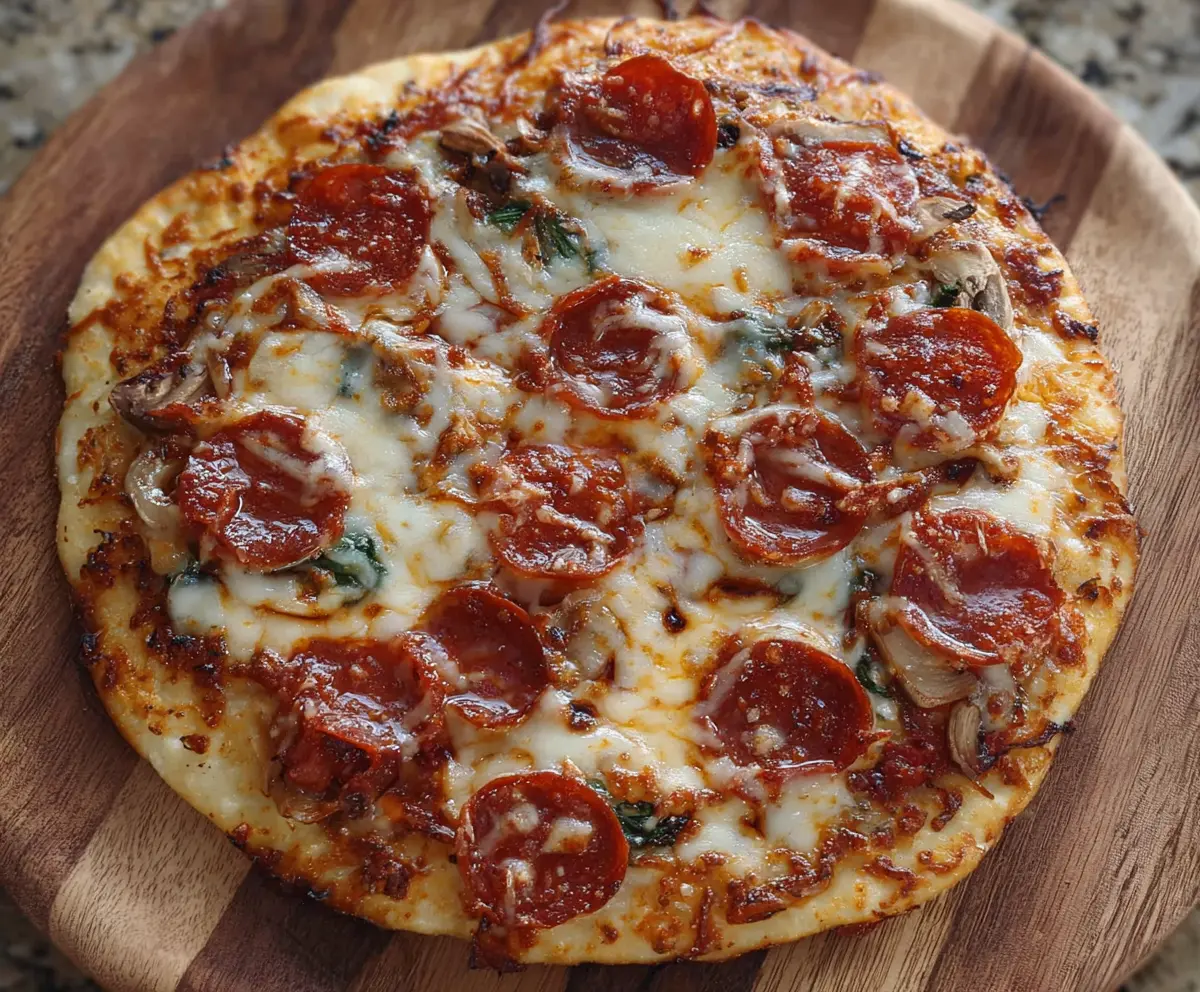
This Low Calorie Greek Yogurt Pizza Dough is a simple and tasty way to enjoy homemade pizza without the extra calories. It uses just a few basic ingredients, including Greek yogurt and self-rising flour, to make a soft and chewy crust that’s perfect for piling on your favorite toppings.
I love making this dough because it’s quick to mix up and doesn’t need any waiting time for rising. It’s a great option when you want pizza but don’t want to spend hours in the kitchen. Plus, using Greek yogurt adds a little protein and a nice tang that makes the crust extra delicious.
My favorite way to serve it is with lots of fresh veggies and a sprinkle of mozzarella cheese. You can even make mini pizzas for a fun snack or a kid-friendly dinner. It’s a great way to enjoy pizza night with fewer calories, and I always feel good about having made it myself!
Key Ingredients & Substitutions
Greek Yogurt: Nonfat plain Greek yogurt is the heart of this dough. It adds protein and moisture without extra fat. If you don’t have Greek yogurt, you can try plain regular yogurt, but the dough might be softer.
Self-Rising Flour: This flour makes the dough light and fluffy. If you don’t have it, mix 1 cup all-purpose flour with 1 ½ tsp baking powder and ¼ tsp salt. This combo will help your dough rise just right.
Seasonings: Adding garlic powder or Italian seasoning gives your crust extra flavor without adding calories. Feel free to skip or swap these with dried oregano or basil.
Toppings: Keep it low calorie by choosing veggies, lean meats like turkey pepperoni, and lighter cheeses. This way, you stay on track without missing out on delicious pizza flavors.
How Can You Work With This Soft Yogurt Dough Without It Getting Stuck?
This dough is softer and stickier than traditional pizza dough because of the yogurt. Here’s how I handle it:
- Use a bit of flour on your hands and surface to prevent sticking when kneading and shaping.
- Don’t overwork the dough; knead gently about 2 minutes until smooth and just sticky.
- If rolling is tricky, pat the dough flat with your hands right on the baking tray—no rolling pin needed.
- Chilling the dough for 10 minutes can make it easier to handle if too soft.
Following these tips will help you get a nicely shaped crust that bakes evenly and tastes great!

Equipment You’ll Need
- Mixing bowl – big enough to mix and knead the soft dough comfortably.
- Wooden spoon or spatula – to stir the yogurt and flour until a dough forms.
- Baking sheet or pizza pan – for shaping and baking your pizza crust; a rimmed sheet helps catch any drips.
- Parchment paper – keeps the dough from sticking and makes cleanup easy.
- Rolling pin (optional) – useful if you want an even, thin crust, but you can also pat the dough by hand.
Flavor Variations & Add-Ins
- Swap self-rising flour for whole wheat flour to add fiber and a nutty flavor to your crust.
- Add herbs like dried oregano or rosemary into the dough for extra aroma and taste.
- Top with veggies such as spinach, bell peppers, or mushrooms to keep it light and colorful.
- Use part-skim mozzarella or sprinkle a little feta cheese for tangy, lower-fat cheese options.
How to Make Low Calorie Greek Yogurt Pizza Dough
Ingredients You’ll Need:
For the Dough:
- 1 cup nonfat plain Greek yogurt
- 1 cup self-rising flour (or substitute with 1 cup all-purpose flour + 1 ½ tsp baking powder + ¼ tsp salt)
- Optional: ½ tsp garlic powder or Italian seasoning (for flavor)
For the Toppings:
- Your choice of pizza toppings (e.g., marinara sauce, shredded mozzarella, pepperoni, mushrooms, spinach)
How Much Time Will You Need?
This recipe takes about 5 minutes to prepare and 12-15 minutes to bake. It’s a quick way to enjoy homemade pizza with minimal fuss and no rising time needed!
Step-by-Step Instructions:
1. Prepare Your Oven and Pan:
Preheat your oven to 400°F (200°C). Line a baking sheet or pizza pan with parchment paper or lightly grease it to keep the dough from sticking.
2. Mix the Dough:
In a mixing bowl, combine the Greek yogurt and self-rising flour. Stir with a spoon until the mixture forms a dough.
3. Knead the Dough:
Place the dough on a lightly floured surface or keep it in the bowl and knead gently for about 2 minutes until smooth and slightly sticky. If the dough feels too wet, sprinkle a bit more flour.
4. Shape the Dough:
Roll or pat the dough into a 7 to 8-inch circle directly on your baking sheet. The dough will be thick, similar to a soft flatbread.
5. Add Toppings:
Spread a thin layer of pizza sauce over the dough. Add your favorite low-calorie toppings such as vegetables, some light cheese, and lean pepperoni or turkey pepperoni.
6. Bake Your Pizza:
Place the pizza in the oven and bake for 12 to 15 minutes, until the crust turns golden brown and the cheese is melted and bubbly.
7. Serve and Enjoy:
Remove the pizza from the oven, let it cool for a few minutes, then slice and serve your delicious, low-calorie homemade pizza!
Can I Use Regular Yogurt Instead of Greek Yogurt?
Yes, but Greek yogurt is thicker and higher in protein, which helps the dough hold together better. If you use regular yogurt, choose a thick variety and consider adding a little extra flour to get the right dough consistency.
Can I Make the Dough Ahead of Time?
You can prepare the dough and refrigerate it for up to 24 hours. Just cover it tightly with plastic wrap. When ready to use, let it sit at room temperature for about 15 minutes before shaping and baking.
How Should I Store Leftover Pizza?
Store leftovers in an airtight container in the refrigerator for up to 3 days. Reheat in the oven or toaster oven to keep the crust crispy, or use a microwave if you’re in a hurry.
Can I Freeze the Pizza Dough?
Yes! Shape the dough into a ball, wrap it tightly in plastic wrap, and freeze for up to 2 months. Thaw overnight in the refrigerator before using, then proceed with shaping and baking as usual.