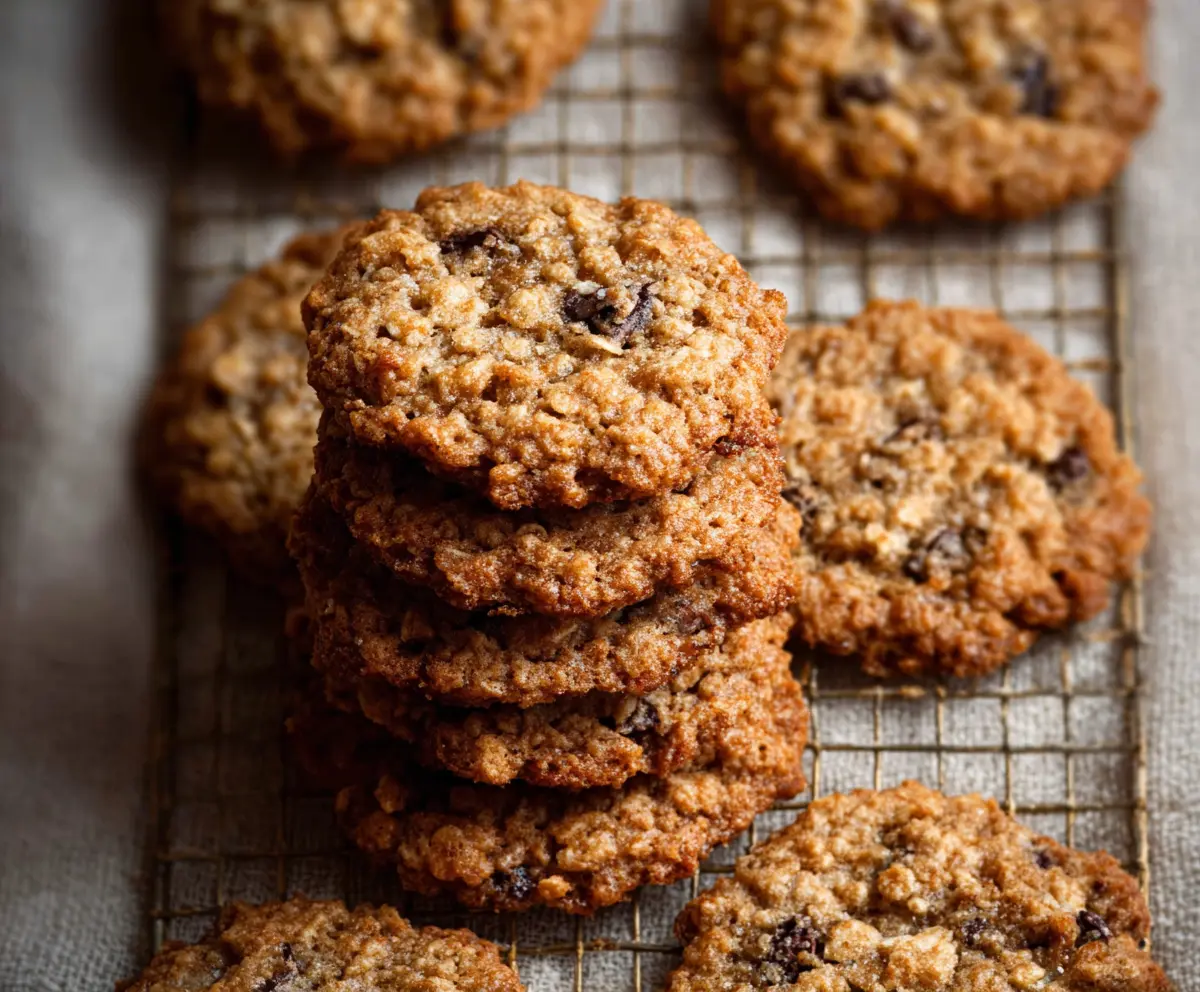
Oatmeal cookies are a classic treat that bring together the warm, chewy texture of oats with a hint of sweetness that’s just right. They often have a little cinnamon, maybe some raisins or chocolate chips, and that perfect balance of soft and crisp that makes them so comforting to eat. These cookies feel like a hug in every bite.
I love making oatmeal cookies because they’re quick to mix up and fill the house with that cozy, inviting smell. One of my favorite tricks is to add a sprinkle of sea salt on top before baking—it gives just the right little pop of flavor. Plus, they’re great for using up ingredients you probably already have in your pantry.
When I serve oatmeal cookies, I usually grab a glass of cold milk or a warm cup of tea. They’re perfect for an afternoon snack or a simple dessert after a busy day. I always find that sharing them with friends or family makes them taste even better, like passing along a little homemade happiness.
Key Ingredients & Substitutions for Oatmeal Cookies
Butter: Using unsalted and softened butter helps control the salt level and ensures smooth mixing. If dairy-free is needed, try vegan butter or coconut oil; just note the flavor may shift slightly.
Sugars: Brown sugar adds moisture and chewiness, while granulated sugar gives a bit of crispness. For a healthier twist, you can use coconut sugar or maple syrup, but reduce any extra liquid in the recipe accordingly.
Rolled Oats: Old-fashioned oats are best for that chewy texture. Instant oats or quick oats can change the texture, making cookies softer or cakier, which some might like.
Flour: All-purpose flour works well here. For gluten-free, try a 1-to-1 gluten-free flour blend, but consider adding a bit of xanthan gum for structure.
Chocolate Chips: Semi-sweet chocolate chips keep the cookie classic, but feel free to swap with raisins, dried cranberries, or nuts for variety.
How Do You Get Oatmeal Cookies That Are Soft Yet Crispy on the Edges?
The key is balancing baking time and ingredient moisture. Here’s how I do it:
- Cream the butter and sugars well. This traps air and helps create the right texture.
- Don’t overmix once you add flour—this keeps cookies tender.
- Space dough balls well on the baking sheet to allow spreading.
- Bake just until edges are golden but centers look slightly soft. The cookies firm up as they cool.
- Let them rest on the baking sheet for a few minutes after baking to finish setting up.
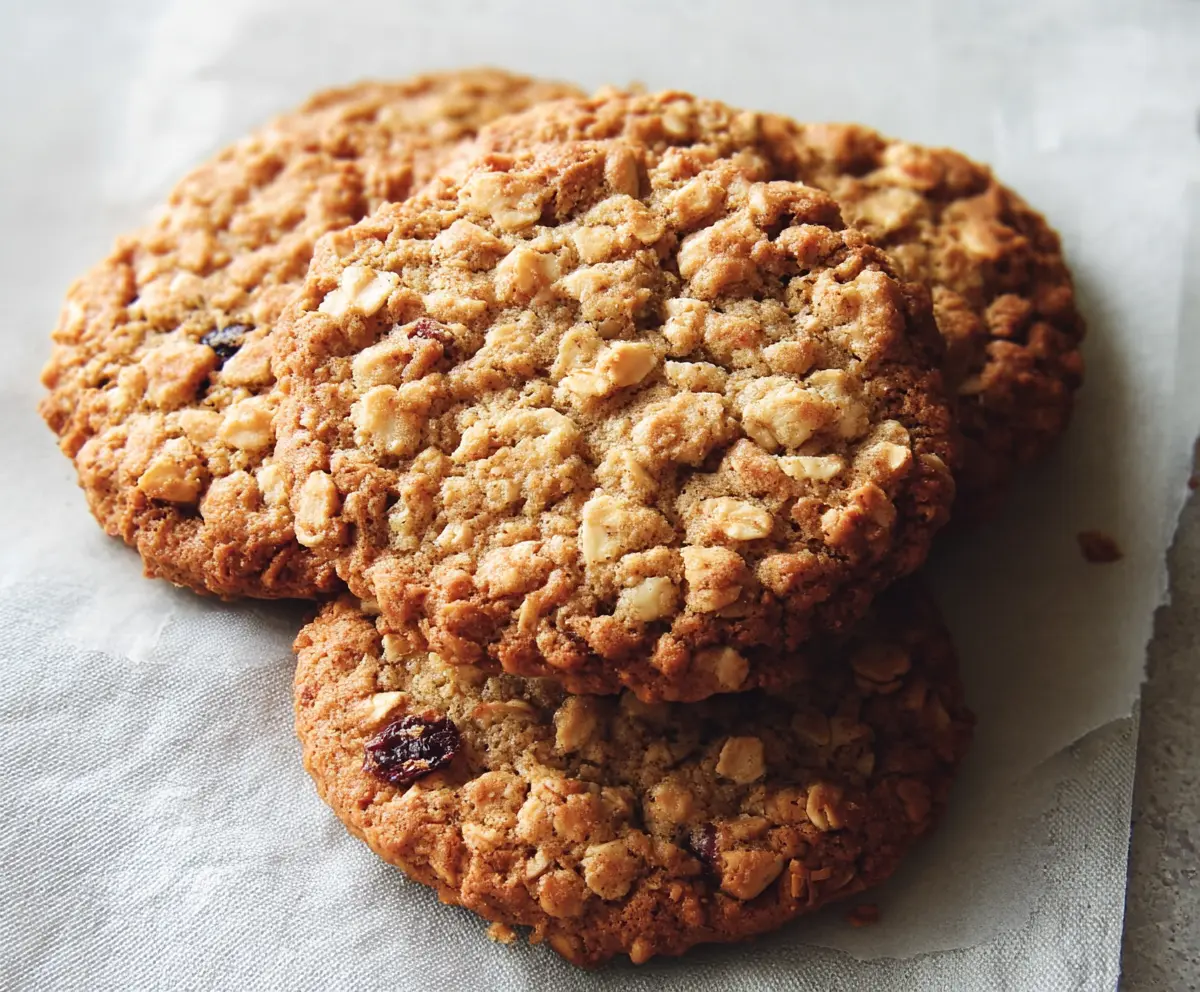
Following these tips gives you that perfect chewy, lightly crisp oatmeal cookie everyone loves.
Equipment You’ll Need
- Mixing bowls – Use one large bowl for wet ingredients and one for dry; it keeps things organized.
- Electric mixer or hand whisk – Helps cream butter and sugar until fluffy, making the cookies light.
- Spoons or cookie scoop – Perfect for dropping evenly sized dough balls for consistent baking.
- Baking sheets – Flat and sturdy pans let cookies bake evenly without burning.
- Parchment paper or silicone mat – Prevents sticking and makes cleanup easy.
- Cooling rack – Allows air to circulate so cookies cool evenly and stay crisp.
Flavor Variations & Add-Ins
- Swap chocolate chips for raisins or dried cranberries for a classic chewy texture and fruity flavor.
- Add ½ teaspoon cinnamon or nutmeg to the dry ingredients for a warm, spicy note.
- Mix in ½ cup chopped nuts like walnuts or pecans for a nice crunch and nuttiness.
- Try white chocolate chips and macadamia nuts for a sweet, buttery variation.
How to Make Classic Oatmeal Chocolate Chip Cookies
Ingredients You’ll Need:
- 1 cup (2 sticks) unsalted butter, softened
- 1 cup packed brown sugar
- 1/2 cup granulated sugar
- 2 large eggs
- 1 teaspoon vanilla extract
- 1 1/4 cups all-purpose flour
- 1 teaspoon baking soda
- 1/2 teaspoon salt
- 3 cups old-fashioned rolled oats
- 1 cup semi-sweet chocolate chips
How Much Time Will You Need?
This recipe takes about 15 minutes to prepare and around 10-12 minutes to bake each batch. Cooling time adds about 10 minutes, so plan for roughly 30 to 40 minutes from start to finish.
Step-by-Step Instructions:
1. Prepare to Bake:
First, preheat your oven to 350°F (175°C). Line your baking sheets with parchment paper to stop the cookies from sticking and make cleanup easier.
2. Mix Wet Ingredients:
In a large bowl, use a mixer or spoon to cream together the softened butter, brown sugar, and granulated sugar until the mixture is light and fluffy. Then, add the eggs one at a time, beating well after each. Stir in the vanilla extract.
3. Combine Dry Ingredients:
In a separate bowl, whisk together the all-purpose flour, baking soda, and salt.
4. Mix Everything Together:
Gradually add the dry mixture into the wet mixture, stirring just until everything is combined (don’t overmix!). Stir in the rolled oats and the chocolate chips until they’re evenly mixed throughout the dough.
5. Shape and Bake:
Drop rounded tablespoons of dough onto your prepared baking sheets, leaving about 2 inches between each to allow for spreading. Bake for 10 to 12 minutes, or until the edges of the cookies are golden brown but the centers still look a bit soft.
6. Cool and Enjoy:
Let the cookies cool on the baking sheet for about 5 minutes. Then, carefully transfer them to a wire rack to cool completely. Enjoy warm or store in an airtight container to keep fresh!
Can I Use Quick Oats Instead of Rolled Oats?
Yes, but quick oats will make the cookies softer and less chewy. If you prefer a chewier texture, stick with old-fashioned rolled oats.
Can I Make the Dough Ahead of Time?
Absolutely! You can refrigerate the dough for up to 48 hours before baking. Just let it sit at room temperature for a few minutes before scooping and baking.
How Should I Store Leftover Cookies?
Store oatmeal cookies in an airtight container at room temperature for up to 5 days. For longer storage, freeze them in a sealed bag for up to 3 months.
Can I Substitute Butter with Margarine or Coconut Oil?
Yes, you can substitute butter with margarine or coconut oil in the same amount, but the flavor and texture may change slightly. Coconut oil can add a subtle coconut taste.