The skin is the first thing to tell you whether a turkey was brined well: it should feel dry when the bird goes into the oven, not damp from a bath or wet paper towels. For this dry brine turkey, I work the salt under the breast and thigh skin, then leave the bird uncovered in the refrigerator. That gives the salt time to season the meat while the surface dries out.
There’s no bucket of liquid to chill and no last-minute scramble to dry every fold of skin. The method is deliberately simple: a fully thawed turkey, Morton kosher salt, and enough refrigerator time for the surface to dry. A light brush of canola oil and a little black pepper go on just before roasting, so the skin comes out golden and the meat is seasoned throughout.

Kitchen Note
The skin over the breast can tear if you rush loosening it. Work a little at a time with your fingers, and stop if you feel it pulling tight; you can still season the outside evenly.
Save this dry brine turkey for a well-seasoned bird with dry-brined skin and a simple roast-day routine.
Why the Salt Belongs Under the Skin, Not Just on Top
A surface-only seasoning has to work through the skin before it can reach the meat. Tucking salt beneath the loosened skin puts it in direct contact with the breast and thigh, where it can season those thicker portions instead of leaving most of its impact on the outside. You still salt the exterior, but the under-skin layer is what makes the seasoning feel more even from the first slice to the last.
The uncovered rest matters for a different reason. Salt draws a little moisture to the surface, then dissolves into it; as the turkey sits, that seasoned moisture moves back into the meat while the exposed skin dries. A wet surface has to lose moisture before it can brown, so putting the turkey straight from a brine into the oven works against the skin you’re trying to roast. Give the bird its refrigerator time on a rack, with air able to circulate around it, and you’re setting up both the seasoning and the browning before the oven is on.
What the Turkey, Morton Salt, and Oil Each Bring to the Roast
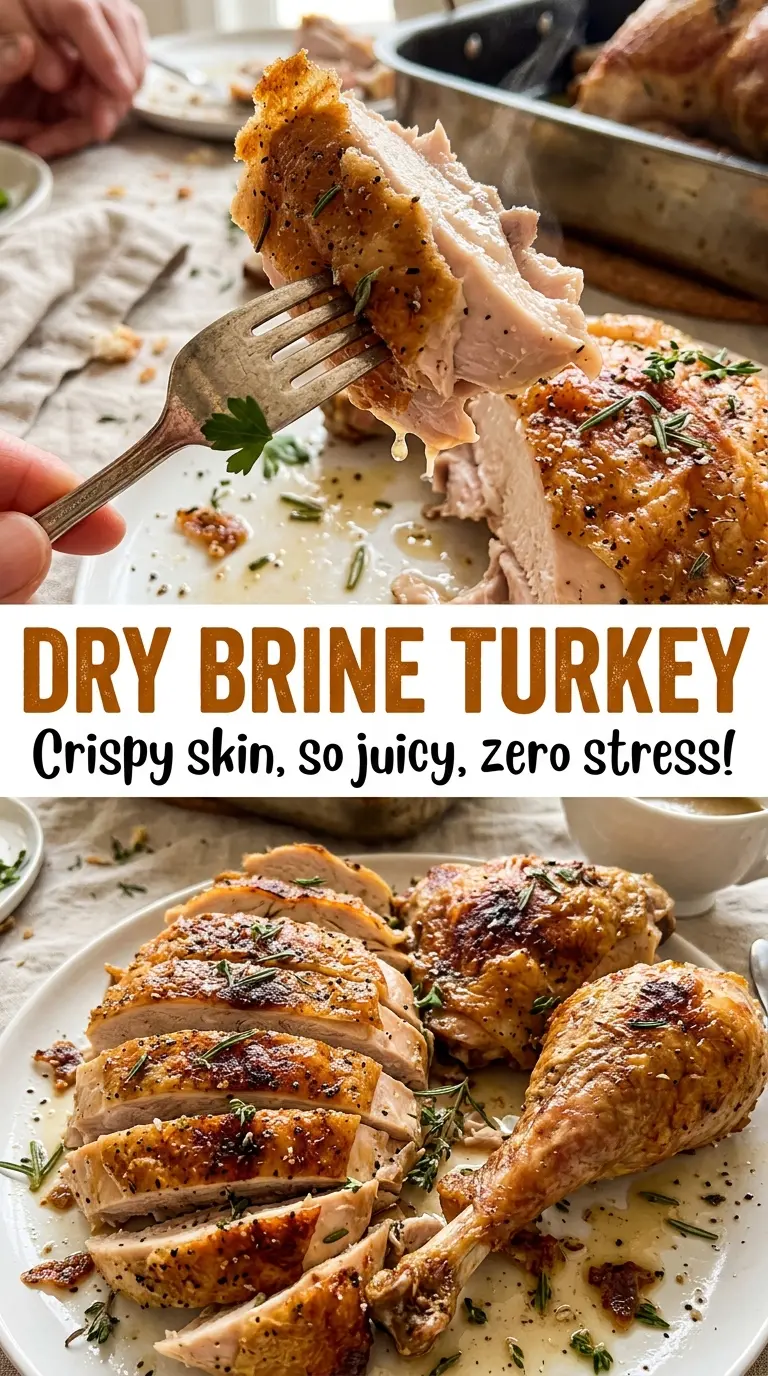
- Whole turkey — Start with a fully thawed 12-pound bird and remove the neck and giblets before seasoning. A fresh turkey or a frozen one that has been fully thawed both work; the important part is that the cavity isn’t still icy when you begin.
- Morton kosher salt — Salt crystal size and weight vary by brand, so Morton is the reliable choice for this amount. Don’t swap in another type of salt by volume; it can make the turkey much saltier. There’s no need to buy a specialty package if you already have Morton kosher salt.
- Canola oil — Its neutral taste lets the roasted turkey stay front and center, and an everyday bottle is all you need. It coats the skin lightly before roasting; skipping it is an option if you want a no-added-oil version, with a tradeoff in how evenly the skin browns.
- Ground black pepper — The pepper goes on the oiled skin just before the bird roasts, so it adds a gentle savory bite without sitting in the refrigerator for the whole brining period. Regular ground black pepper is right for this; a premium grind isn’t necessary.
From Under-Skin Seasoning to a Rested, Carvable Turkey
Season the Bird Without Tearing the Skin
Pat the fully thawed turkey dry with paper towels, including around the legs and cavity opening. Carefully loosen the skin over the breasts and thighs, then rub the Morton kosher salt underneath it and over the outside of the bird. Keep the salt distributed across both areas rather than leaving a concentrated patch on top. Set the turkey breast side up on a wire rack over a rimmed baking sheet.
Let the Uncovered Surface Dry in the Refrigerator
Refrigerate the rack-and-pan setup uncovered for 24 to 48 hours, keeping the refrigerator at 40°F or below. The elevated rack lets air reach more of the turkey than a flat tray would, while the rimmed pan catches any drips. When it’s ready for the oven, the skin should look drier than it did when you first patted it. Don’t cover the bird during this stage, because trapped moisture works against a dry surface.
Set Up the Lower Oven and Finish the Skin
Heat the oven to 325°F and position a rack in the lower third. Place a roasting rack inside a 16-inch roasting pan, then set the turkey breast side up on it. Tuck the wing tips underneath so they don’t stick out and brown ahead of the rest of the bird. Brush the skin with canola oil and sprinkle it with ground black pepper just before roasting.
Roast to Temperature, Then Let the Juices Settle
Roast for 2¾ to 3¼ hours, checking after 2½ hours. Insert a thermometer into the thickest part of the breast and the innermost part of the thigh without touching bone; both spots need to read 165°F. If the skin browns too quickly before the turkey reaches that temperature, tent it loosely with foil. Transfer the turkey to a cutting board, tent it loosely with foil, and let it rest for 30 minutes before carving.
Two Simple Adjustments for Different Table Needs
A no-added-oil turkey
For a lower-fat version, leave off the canola oil and roast the brined turkey with the pepper on the skin. The meat still roasts normally, but the skin may brown less evenly and won’t have the same lightly coated finish.
A pepper-free roast
Leave out the ground black pepper if you want the turkey’s flavor without its peppery finish. Keep the salt, oil, brining time, oven setting, and temperature checks the same; the difference is a milder seasoning on the skin.
Storage and Reheating
- Refrigerator: Store carved turkey in an airtight container for 3 to 4 days. The skin softens in storage, even when it was crisp from the oven.
- Freezer: Freeze carved portions in airtight packaging for 2 to 6 months for best quality. Thaw them in the refrigerator before reheating.
- Reheating: Warm slices covered in a 325°F oven or in short microwave bursts, checking that they’re hot throughout. Reheating uncovered for too long dries out the lean breast meat.
Questions That Come Up Before the Turkey Goes in the Oven
Dry Brine Turkey
Ingredients
Equipment
Method
- Pat the turkey dry with paper towels.
- Carefully loosen the skin over the breasts and thighs.
- Rub the salt under the loosened skin and all over the outside of the turkey.
- Set it breast side up on a wire rack over a rimmed baking sheet.
- Refrigerate uncovered for 24 to 48 hours at 40°F or below.
- When ready to roast, heat the oven to 325°F.
- Set a rack in the lower third.
- Place a roasting rack in a 16-inch roasting pan.
- Set the turkey breast side up on the roasting rack and tuck the wing tips underneath.
- Brush the skin with the canola oil.
- Sprinkle with the black pepper.
- Roast for 2¾ to 3¼ hours, checking after 2½ hours, until a thermometer inserted into the thickest part of the breast and the innermost part of the thigh, without touching bone, reads 165°F.
- If the skin browns too quickly, tent the turkey loosely with foil.
- Transfer the turkey to a cutting board.
- Tent loosely with foil.
- Rest for 30 minutes before carving.