Sticky, glossy chicken teriyaki hits that sweet-savory balance in a way that makes plain rice disappear fast. The best versions don’t drown the chicken in sauce; they coat each piece with a lacquered glaze that clings to the edges and settles into every bite. That’s what makes this one worth keeping around for weeknights.
The sauce here leans on soy sauce, brown sugar, honey, garlic, and ginger, then gets thickened separately with a cornstarch slurry. That little extra step matters because it keeps the sauce smooth and shiny instead of grainy or overly reduced. Boneless chicken thighs work best here since they stay juicy and pick up a deeper sear than leaner cuts.
Below, I’ll walk through the part that matters most: getting the chicken browned before the sauce goes in, then thickening the teriyaki just enough so it coats instead of pools. There’s also a simple way to adapt it if you need to work with chicken breast or lower the sweetness a bit.
The sauce thickened up exactly like restaurant teriyaki and coated every piece of chicken without turning sticky or gloopy. My husband asked if I could put this in the regular dinner rotation after the first bite.
Save this chicken teriyaki for the nights when you want glossy takeout-style sauce and dinner on the table fast.
The Secret to Glossy Teriyaki Instead of a Watery Pan Sauce
The difference between teriyaki that clings and teriyaki that puddles usually comes down to when the sauce thickens. If you pour in a thin sauce and expect it to reduce on its own, the chicken ends up overcooked before the glaze reaches the right texture. A quick slurry takes the guesswork out of it and gives you that deep, shiny coating without needing a long simmer.
Another common failure is crowding the pan. Chicken thighs need direct contact with the skillet so they can brown before the sauce goes in. If they steam instead of sear, you lose that savory edge that makes the whole dish taste fuller.
- Brown sugar and honey work together here: the sugar gives body and the honey adds a rounder sweetness that keeps the sauce from tasting flat.
- Low-sodium soy sauce matters because the sauce reduces and concentrates quickly. Regular soy sauce can push the dish into overly salty territory.
- Cornstarch slurry is the fastest route to a glossy finish. Whisk it with cold water first so it disperses cleanly and doesn’t clump in the pan.
- Chicken thighs stay tender through the sear and the final toss. Chicken breast works, but it needs shorter cooking time and less simmering once the sauce goes in.
What Each Ingredient Is Actually Doing in This Dish
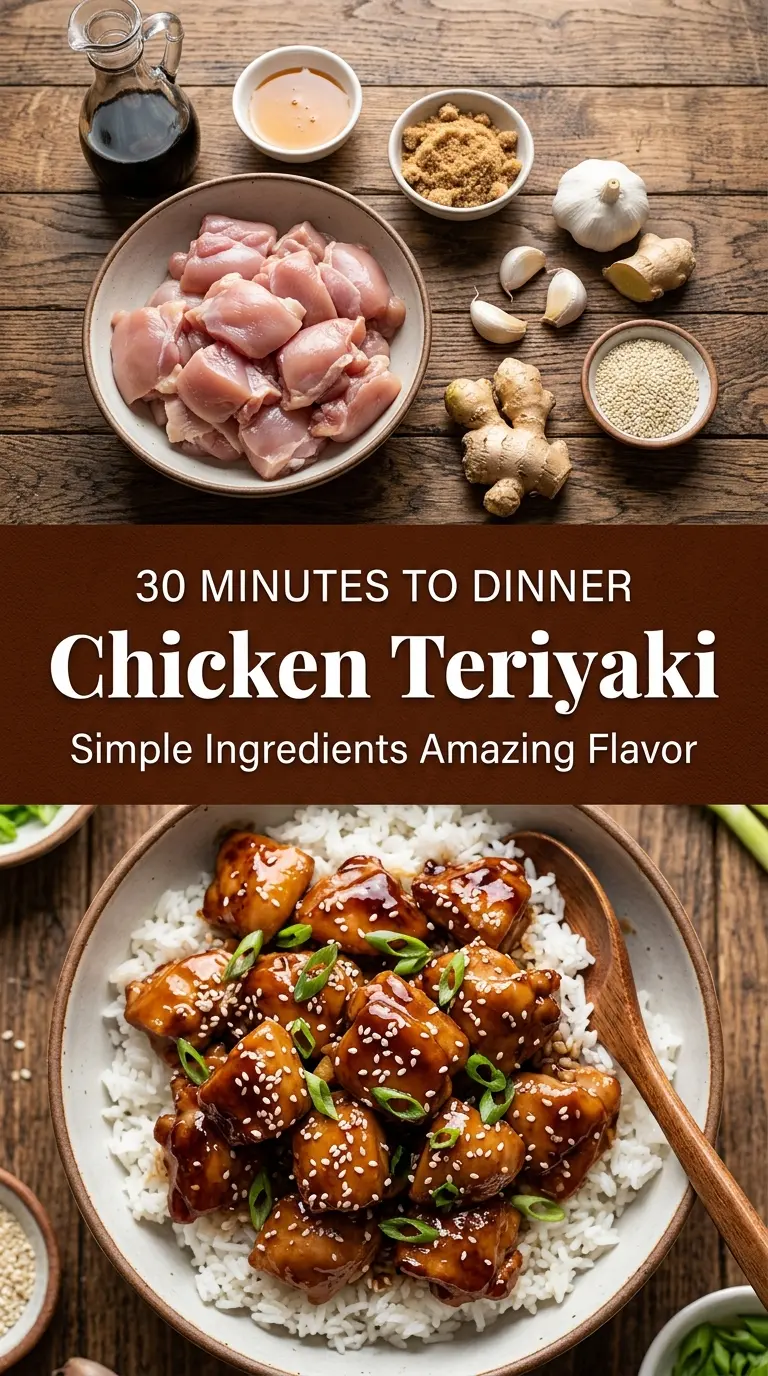
- Boneless skinless chicken thighs are the backbone of the recipe. They handle high heat well and stay juicy even after the sauce simmers for a few minutes. If you swap in chicken breast, cut it into evenly sized pieces and pull it from the heat as soon as it’s cooked through so it doesn’t go dry.
- Soy sauce gives the teriyaki its salty, umami base. Low-sodium soy sauce gives you more control, especially since the honey and brown sugar add their own intensity. If you use tamari, the dish stays just as savory and becomes gluten-free.
- Brown sugar and honey build the sticky glaze. Brown sugar adds molasses depth while honey gives the sauce a smoother finish and helps it cling. Don’t cut both too much or the sauce will taste thin instead of lacquered.
- Fresh garlic and ginger keep the sauce from tasting one-note. Grate the ginger finely so it melts into the sauce instead of leaving stringy bits behind. Powdered versions work in a pinch, but the finish won’t taste as bright.
- Cornstarch is what turns the sauce into that glossy coating you want on teriyaki chicken. Mix it with cold water first; if you dump it straight into the hot pan, it can clump and leave little starchy streaks.
Getting the Chicken Browned Before the Sauce Goes In
Dry the chicken and season lightly
Pat the chicken dry before it hits the pan. Moisture is the enemy of browning, and wet chicken will steam long before it sears. A light dusting of salt and black pepper is enough here because the sauce carries most of the seasoning.
Build color in a hot skillet
Heat the oil until it shimmers, then add the chicken in a single layer. You want a steady sizzle right away. If the pan is too crowded, the temperature drops and the chicken starts releasing liquid instead of browning, which leaves you with pale meat and a weaker sauce base.
Thicken the sauce at a gentle simmer
Whisk the sauce ingredients together, pour them in, then bring everything to a gentle simmer before adding the slurry. Once the cornstarch goes in, the sauce should go from loose to glossy in a couple of minutes. If it looks gluey, the heat is too high or the slurry went in too fast; pull the pan back and stir until it smooths out.
Toss until every piece is lacquered
Keep the chicken moving through the sauce until each piece looks evenly coated and shiny. The sauce should cling to the meat and leave only a light trail in the pan, not a watery pool. Finish with sesame seeds and sliced green onions while the glaze is still warm so they stick instead of sliding off.
Three Ways to Make This Chicken Teriyaki Fit Your Table
Gluten-Free Teriyaki
Swap the soy sauce for tamari or a certified gluten-free soy sauce. The flavor stays deep and savory, and the texture of the sauce won’t change, so this is one of the easiest ways to adapt the recipe without losing the gloss.
Less Sweet, More Savory
Cut the brown sugar slightly and keep the honey in place, or reduce both by a tablespoon or two. You’ll get a darker, sharper sauce that leans more savory and less like a glaze, which works well if you’re serving it with plain rice and vegetables.
Chicken Breast Instead of Thighs
Chicken breast works if that’s what you have, but keep the pieces small and watch the pan closely. It dries out faster than thighs, so cook it just until done and move straight to the sauce stage without letting it sit in the skillet too long.
Make It a Meal Prep Dinner
Double the sauce and keep the rice separate so the chicken stays glossy instead of soaking up every bit of liquid. Reheat the chicken and sauce gently, then spoon it over fresh rice or vegetables for a lunch that still tastes made that day.
Storage and Reheating
- Refrigerator: Store leftovers in an airtight container for up to 4 days. The sauce will thicken a bit more as it chills.
- Freezer: This freezes well for up to 2 months. Cool it completely first, then freeze in a sealed container and thaw overnight in the refrigerator.
- Reheating: Warm it slowly in a skillet over low heat with a splash of water to loosen the sauce. Microwaving on high can make the chicken rubbery and the glaze sticky in all the wrong places.
Questions I Get Asked About This Recipe
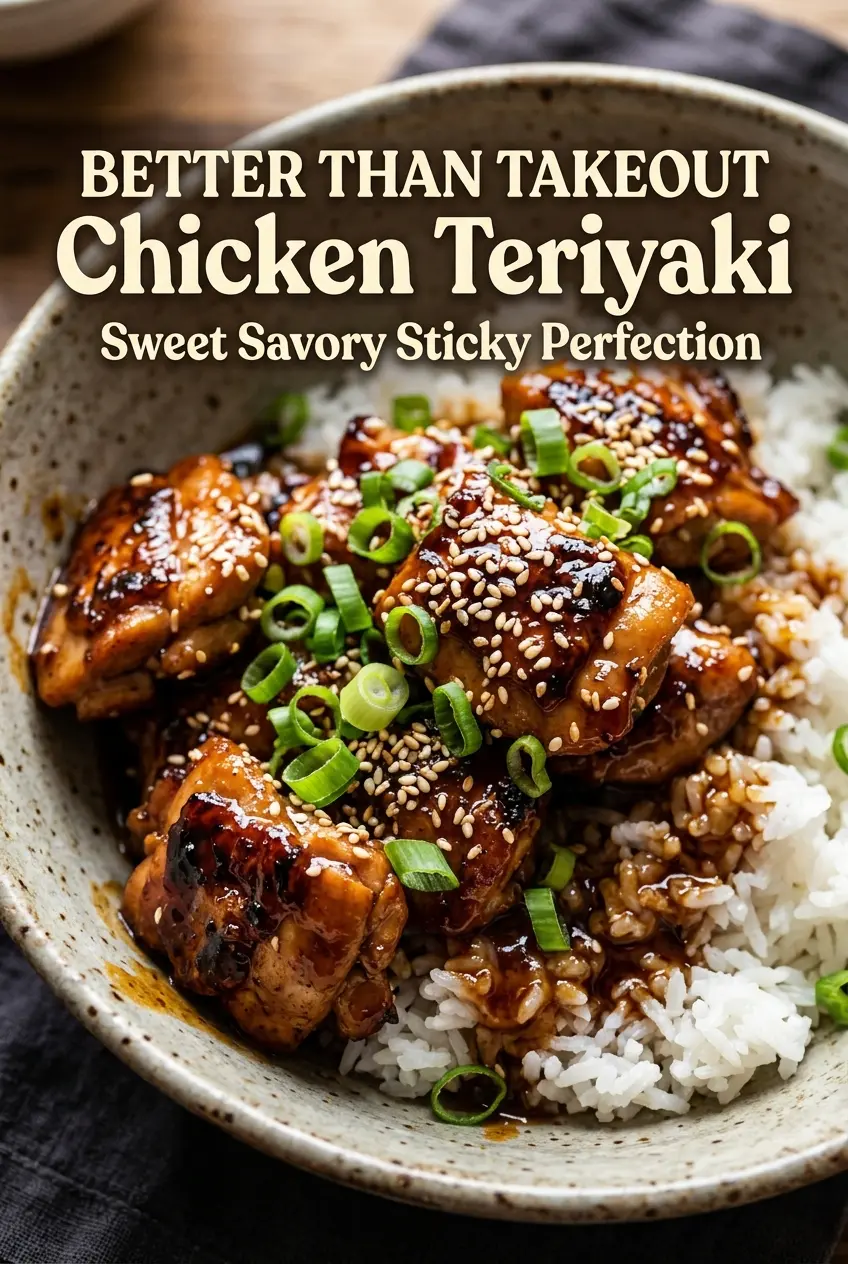
Chicken Teriyaki
Ingredients
Equipment
Method
- Pat the boneless skinless chicken thighs dry, then season lightly with salt and black pepper.
- Heat the vegetable oil in a large skillet over medium-high heat.
- Add the chicken thighs and cook for 6–8 minutes until browned and fully cooked.
- In a bowl, whisk together low-sodium soy sauce, brown sugar, water, honey, garlic cloves, and fresh ginger.
- Pour the sauce into the skillet with the chicken thighs.
- Bring the sauce to a gentle simmer.
- Mix cornstarch with water to create a slurry.
- Stir the slurry into the sauce.
- Cook for 2–3 minutes until the sauce thickens and becomes glossy.
- Toss the chicken thighs until fully coated.
- Sprinkle the sesame seeds and green onions over the chicken teriyaki.
- Serve the chicken teriyaki over hot steamed rice for serving.