Buttery garlic shrimp with bright lemon and a glossy pan sauce is the kind of dinner that disappears fast, especially when the shrimp stay tender and the sauce clings to every bite instead of pooling on the plate. This version keeps the ingredient list short and the method tight, which matters because shrimp can go from perfectly juicy to rubbery in a minute if they’re left on the heat too long.
The trick is building the sauce in the same skillet after the shrimp come out. That keeps the flavor concentrated and gives the lemon juice and broth a chance to pick up the browned bits left behind by the shrimp. Finishing with the last bit of butter off the direct heat gives you a silky sauce instead of one that turns greasy or breaks.
Below, I’ll walk you through the exact points that matter most: how to know when the shrimp are done, why the garlic only needs a brief sizzle, and what to serve this with if you want to stretch it into a full meal.
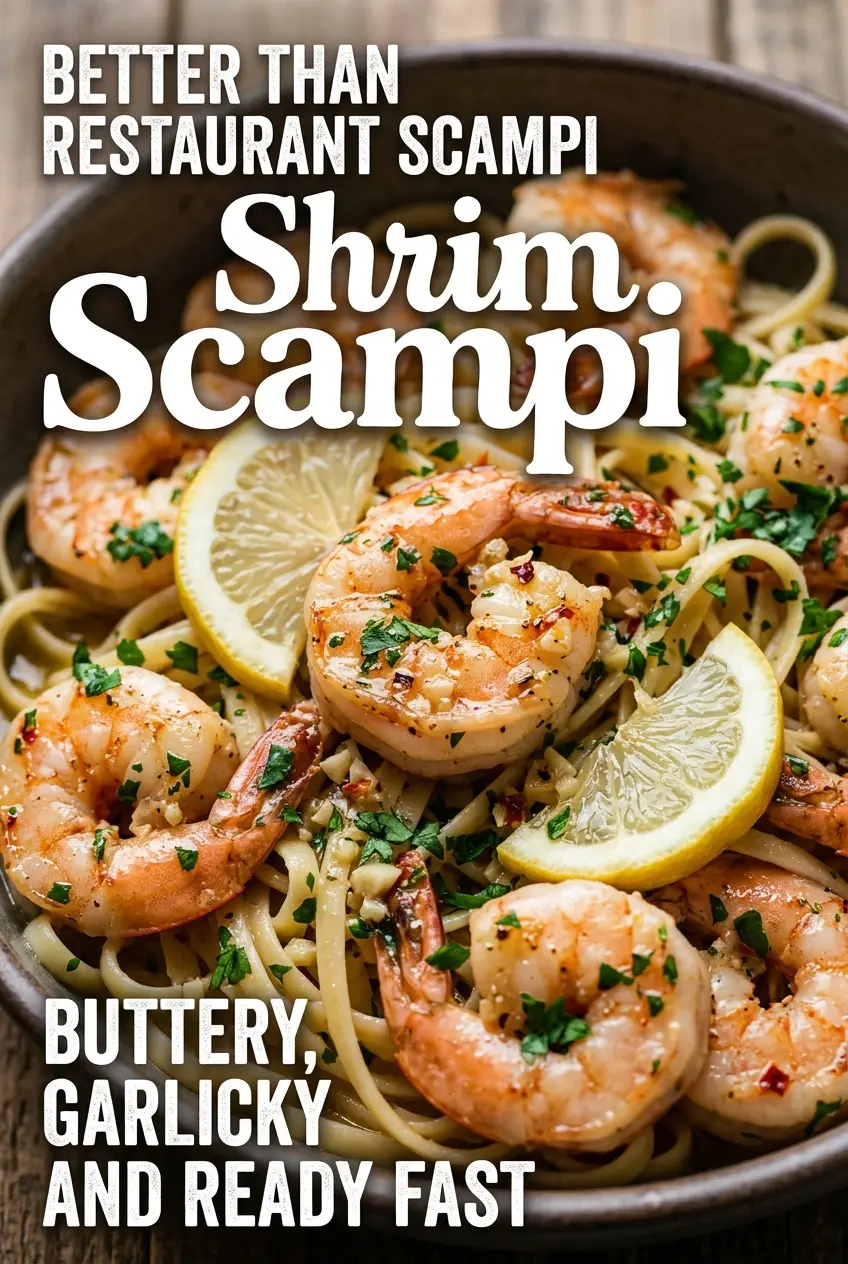
The sauce was glossy and clung to the linguine instead of turning watery, and the shrimp stayed plump and tender. I used the exact two-minute simmer and it tasted like something from a restaurant.
Save this shrimp scampi for the nights when you want a fast pan sauce, tender shrimp, and a dinner that works over pasta or with bread.
The Difference Between Tender Shrimp and Rubber Ones
Shrimp scampi fails when the shrimp stay in the pan too long. They cook in a very short window, and once they curl into a tight C and turn fully opaque, they’re done. If you wait for them to look browned all over, they’ve already gone too far and the texture starts to tighten up.
Pulling the shrimp out before you build the sauce is what keeps them tender. It also keeps the skillet from cooling down too much, which matters because the garlic only needs about 30 seconds in the hot fat before it turns fragrant. Any longer and it can go from sweet and mellow to bitter.
What Each Ingredient Is Actually Doing in This Dish
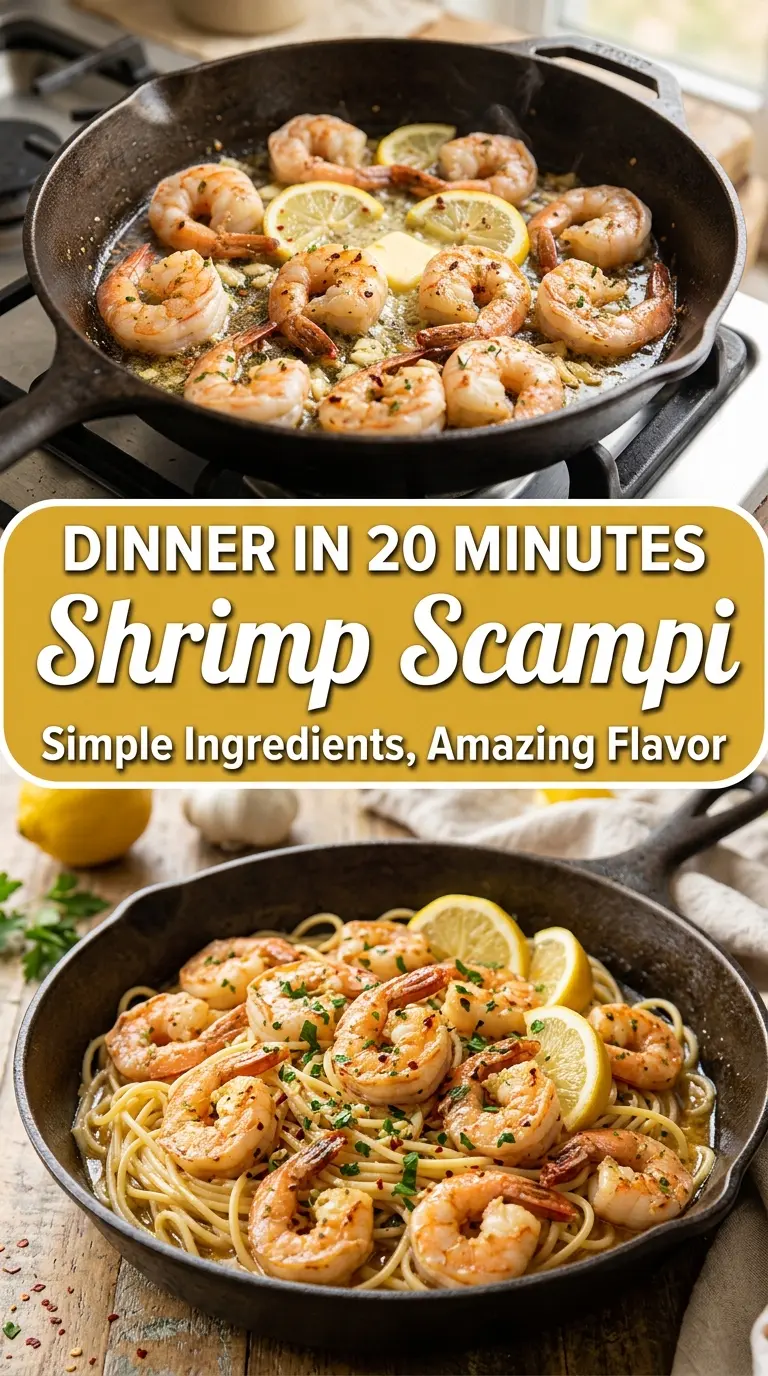
- Large shrimp — Bigger shrimp are easier to cook evenly and much less likely to overcook before the center turns opaque. If you only have smaller shrimp, cut the sear time down and watch the color closely.
- Butter and olive oil — The olive oil helps the butter stay from scorching while the shrimp cook. Butter gives the sauce its body and richness at the end, so don’t swap it out for more oil unless you want a thinner, less luxurious result.
- Garlic — Fresh minced garlic is non-negotiable here. Jarred garlic can taste flat in a sauce this simple, and because it cooks so quickly, you want the sharp, fresh aroma that only minced cloves give you.
- Chicken broth, lemon juice, and zest — The broth keeps the sauce from tasting one-note, while lemon juice gives it the lift that makes scampi taste bright instead of heavy. Zest adds the lemon oil flavor you can’t get from juice alone, so use a fine grater and avoid the bitter white pith.
- Parsley — Stir it in at the end so it stays fresh and green. Dried parsley won’t give you the same clean finish, though in a pinch you can skip it rather than add something dusty and dull.
How to Build the Sauce Without Overcooking the Shrimp
Cooking the Pasta First, If You’re Using It
If you’re serving this with linguine or angel hair, get the pasta going before the shrimp hit the pan. The sauce comes together quickly, and you don’t want to be draining noodles while the garlic burns. Reserve a little pasta water if you like a looser sauce, since the starch helps the butter and lemon cling to the noodles.
Searing the Shrimp Fast
Pat the shrimp dry before they go into the skillet. Moisture on the surface prevents browning and can make the shrimp steam instead of sear. Cook them just until pink on the first side, then flip and finish quickly; if they’re already opaque through the center, take them out immediately.
Building the Garlic Lemon Pan Sauce
Use the same skillet and keep the heat at medium-high when the broth, lemon juice, and zest go in. The liquid should bubble and reduce a little, which concentrates the flavor and picks up the browned bits from the pan. If the garlic starts browning hard or smelling sharp instead of mellow, the pan is too hot and the sauce will taste harsh.
Finishing With Butter and Returning the Shrimp
Drop the heat before adding the last butter. Stir it in until the sauce turns glossy and lightly thickened, then return the shrimp just long enough to warm through. That last step is not for cooking; it’s for coating, and keeping it short protects the shrimp from turning tough.
Make It Gluten-Free
Serve the shrimp scampi over rice, gluten-free pasta, or with crusty gluten-free bread. The sauce itself doesn’t need flour to thicken, so you won’t lose anything by skipping wheat-based sides.
Dairy-Free Version
Use all olive oil instead of butter and finish with a small splash more broth for body. The sauce will be lighter and less silky, but the garlic, lemon, and shrimp still carry the dish well.
Extra-Rich Restaurant Style
Add an extra tablespoon of butter at the end and toss the pasta directly in the pan before serving. That gives you a fuller, silkier sauce that coats the noodles more like a classic restaurant scampi.
Storage and Reheating
- Refrigerator: Store leftovers in an airtight container for up to 2 days. The shrimp will firm up a little, and the sauce may thicken as it chills.
- Freezer: I don’t recommend freezing this dish. Shrimp turn tough after freezing and reheating, and the butter sauce can separate.
- Reheating: Warm it gently in a skillet over low heat with a splash of broth or water. High heat is the fastest way to make the shrimp rubbery and push the sauce toward greasy.
Answers to the Questions Worth Asking
Classic Shrimp Scampi
Ingredients
Equipment
Method
- If serving with pasta, cook linguine or angel hair pasta according to package directions until al dente, then drain and set aside for serving.
- Pat the large shrimp dry, then season with salt and black pepper.
- Heat olive oil and 2 tablespoons butter in a large skillet over medium-high heat until the butter foams.
- Add the shrimp in a single layer and cook for 1–2 minutes per side until pink, then transfer shrimp to a plate.
- Add garlic and red pepper flakes to the skillet and cook for 30 seconds until fragrant.
- Pour in chicken broth, fresh lemon juice, and lemon zest, then simmer for 2 minutes.
- Stir in the remaining butter until melted.
- Return shrimp to the skillet and toss to coat in the buttery garlic lemon sauce.
- Add chopped fresh parsley and stir gently to combine, then serve immediately over pasta or with crusty bread and lemon wedges.